
Crypto Explained: Your No-Nonsense Guide to Digital Money in 2025
SSK News: Get latest Crypto news, analysis, and market updates. Track Bitcoin, Altcoins, NFTs, and Blockchain projects with high accuracy and trust.
Crypto Explained: Your No-Nonsense Guide to Digital Money in 2025
Ever feel like everyone's talking about "crypto" but no one's really explaining it? You're not alone. From Bitcoin's wild price swings to the buzz around NFTs and Web3, the world of cryptocurrency can seem like a complex, exclusive club. But what if I told you it doesn't have to be? What if you could understand the basics, cut through the jargon, and decide if this digital frontier is something you want to explore?
In 2025, cryptocurrency is no longer just a niche interest for tech enthusiasts. It's a global phenomenon impacting finance, technology, and even how we think about ownership. Whether you're curious about investing, simply want to grasp the headlines, or are looking for new ways to engage with digital assets, this guide is for you. We'll break down the essentials, explore the opportunities, and highlight the crucial considerations you need to know.
TL;DR Summary: Cryptocurrency is digital money secured by cryptography and managed by decentralized networks (blockchain). It offers potential for financial innovation, investment growth, and new digital experiences, but comes with significant volatility and risks. This guide demystifies crypto, explains its core concepts, outlines how to get started safely, and looks at its future beyond speculation.
Table of Contents
- What Exactly Is Cryptocurrency? Beyond the Buzzwords
- Why Should Anyone Care? The Allure of Digital Assets
- Navigating the Wild West: Risks and Rewards
- Getting Started: Your First Steps into Crypto
- The Future of Crypto: Beyond Speculation
- Frequently Asked Questions
What Exactly Is Cryptocurrency? Beyond the Buzzwords
At its core, cryptocurrency is simply digital or virtual money. Unlike the cash in your wallet or the balance in your bank account, it doesn't exist in physical form and isn't issued or controlled by a central authority like a government or a bank. Instead, it's secured by cryptography, making transactions incredibly difficult to counterfeit, and it operates on a decentralized network called a blockchain.
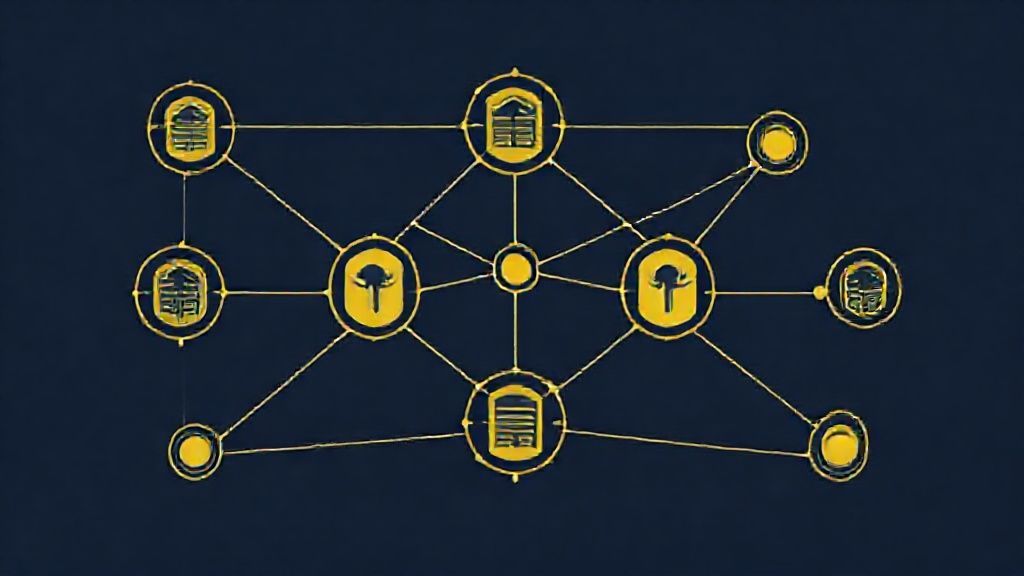
Think of it like this: traditional money is like a ledger kept by a single bank. They record all transactions. Cryptocurrency, on the other hand, is like a public, shared ledger (the blockchain) that everyone can see, and no single entity controls. Every transaction is verified by multiple computers across the network, making it incredibly transparent and resistant to tampering. This fundamental difference is what gives crypto its unique properties.
The Blockchain: The Unsung Hero
The blockchain is the foundational technology behind almost all cryptocurrencies. Imagine a chain of digital blocks, where each block contains a list of transactions. Once a block is filled, it's cryptographically linked to the previous block, forming an unbreakable chain. This process is what makes crypto so secure and transparent.
Real-World Example: Let's say Alice sends 1 Bitcoin to Bob. This transaction isn't just recorded on one bank's server. Instead, it's broadcast to the entire Bitcoin network. Thousands of computers (called "nodes") verify the transaction, add it to a new block of transactions, and then add that block to the existing blockchain. Once it's on the chain, it's virtually impossible to change or delete. This distributed verification is why many see blockchain as a revolutionary technology, not just for money, but for secure record-keeping across industries. For a deeper dive into blockchain's mechanics, you might find this technical overview helpful.
Why Should Anyone Care? The Allure of Digital Assets
So, why has this digital money captured so much attention? The reasons are multifaceted. For many, it's the promise of decentralization – taking control away from traditional financial institutions. For others, it's the potential for significant financial growth, as early investors in Bitcoin or Ethereum have seen life-changing returns. Then there's the aspect of financial inclusion, offering banking services to the unbanked globally.
Beyond investment, crypto is also powering a new era of digital innovation. From decentralized finance (DeFi) applications that offer loans and interest without banks, to non-fungible tokens (NFTs) that represent unique digital ownership, the ecosystem is expanding rapidly. It's about more than just currency; it's about a new way to interact with digital assets and services.
More Than Just Bitcoin: A World of Coins
While Bitcoin is the most famous, it's just one of thousands of cryptocurrencies, often called "altcoins." Each has its own purpose and technology. Ethereum, for instance, introduced "smart contracts" – self-executing agreements coded directly onto the blockchain. This innovation paved the way for a vast ecosystem of decentralized applications (dApps).
Real-World Example: Imagine you want to borrow money, but you don't want to go through a traditional bank with all its paperwork and fees. Platforms built on Ethereum, like Aave or Compound, allow you to deposit your crypto as collateral and borrow other crypto assets, all governed by smart contracts. These contracts automatically execute the terms of the loan, like releasing collateral if you repay, or liquidating it if you don't, without any human intermediary. This is a powerful example of how crypto is enabling entirely new financial systems, often referred to as DeFi. You can learn more about the DeFi landscape here.
Navigating the Wild West: Risks and Rewards
Let's be honest: the crypto market can feel like the Wild West. It's known for extreme volatility, meaning prices can skyrocket or plummet in a matter of hours. This presents both immense opportunities for profit and significant risks of loss. Beyond price swings, there are also concerns about scams, regulatory uncertainty, and the technical complexities of securing your digital assets.
However, the rewards can be substantial. Early adoption of promising projects can lead to exponential growth. For many, it's also about participating in a movement towards a more open, transparent, and decentralized financial system. The key is to approach it with caution, knowledge, and a clear understanding of your own risk tolerance.

Real-World Example: Consider the story of someone who invested a modest sum in Bitcoin back in 2010. That investment, if held, would be worth millions today. A clear reward. On the flip side, countless individuals have fallen victim to "pump-and-dump" schemes, where fraudsters artificially inflate the price of a lesser-known coin before selling off their holdings, leaving others with worthless assets. Or, they've invested in projects that simply failed or were outright scams. This stark contrast highlights the importance of thorough research and skepticism in this space.
Getting Started: Your First Steps into Crypto
Intrigued but unsure where to begin? The good news is that getting started is easier than ever, but it still requires diligence. The golden rule of crypto is: only invest what you can afford to lose. Start small, educate yourself continuously, and prioritize security.
Choosing an Exchange
Your first step will likely be to use a cryptocurrency exchange. These are platforms where you can buy, sell, and trade various cryptocurrencies using traditional money (fiat currency). Look for exchanges with a strong reputation, robust security measures (like two-factor authentication), and clear regulatory compliance in your region. Popular options include Coinbase, Binance, and Kraken, among others.
Wallet Wisdom
Once you buy crypto, you'll need a place to store it. This is where "wallets" come in. A crypto wallet isn't like a physical wallet; it's software or hardware that stores the private keys to your cryptocurrency. There are two main types:
- Hot Wallets: Connected to the internet (e.g., exchange wallets, mobile apps, desktop software). Convenient but more vulnerable to online attacks.
- Cold Wallets: Offline storage (e.g., hardware wallets like Ledger or Trezor, or paper wallets). Highly secure but less convenient for frequent transactions. For significant holdings, cold storage is generally recommended.
The Future of Crypto: Beyond Speculation
Where is crypto headed? Beyond the speculative trading, the underlying technology is poised to reshape many aspects of our digital lives. We're seeing the rise of Web3, a vision for a decentralized internet where users have more control over their data and digital identities. NFTs are evolving beyond just digital art to represent ownership of real-world assets or provide access to exclusive communities.
Governments and central banks are also exploring Central Bank Digital Currencies (CBDCs), which are digital versions of national currencies. While different from decentralized cryptocurrencies, their emergence signals a broader shift towards digital money. Institutional adoption is growing, with major companies and financial firms integrating blockchain technology and offering crypto services. The future isn't just about price; it's about utility and integration.
Frequently Asked Questions
Is cryptocurrency legal?
Yes, in most countries, owning and trading cryptocurrency is legal, though regulations vary widely. Some countries have embraced it, while others have placed restrictions or outright banned certain activities. Always check the specific laws in your jurisdiction. You can find up-to-date regulatory information from government financial bodies.
Is crypto a good investment?
It can be, but it's also highly volatile and carries significant risk. There's no guarantee of returns, and you can lose your entire investment. It's crucial to do your own research, understand the risks, and never invest more than you're prepared to lose. Diversification is also key.
How do I protect my crypto from hackers?
Use strong, unique passwords, enable two-factor authentication (2FA) on all accounts, use reputable exchanges and wallets, and consider a hardware wallet for larger holdings. Be wary of phishing scams and never share your private keys or seed phrase with anyone.
What is a "blockchain" in simple terms?
Imagine a digital ledger that's shared and maintained by many computers, not just one. Every time a transaction happens, it's added to a "block," and that block is securely linked to the previous one, forming a continuous "chain." This makes it incredibly secure and transparent, as no single person can alter the records without everyone else noticing.
Can I use crypto to buy things?
Increasingly, yes! While not as widely accepted as traditional currency, a growing number of merchants, online retailers, and service providers accept cryptocurrencies like Bitcoin or Ethereum. Payment processors are also making it easier to convert crypto to fiat at the point of sale.
Conclusion
The world of cryptocurrency is dynamic, complex, and undeniably exciting. It represents a paradigm shift in how we think about money, ownership, and digital interaction. While the hype and volatility can be intimidating, understanding the core principles of blockchain, decentralization, and digital assets empowers you to navigate this space with confidence.
Whether you choose to invest, build, or simply observe, staying informed is your best asset. Don't let fear or confusion hold you back from understanding a technology that's shaping our future. Start your research today, explore reputable sources, and take your first informed steps into the digital economy. The journey might just surprise you.
